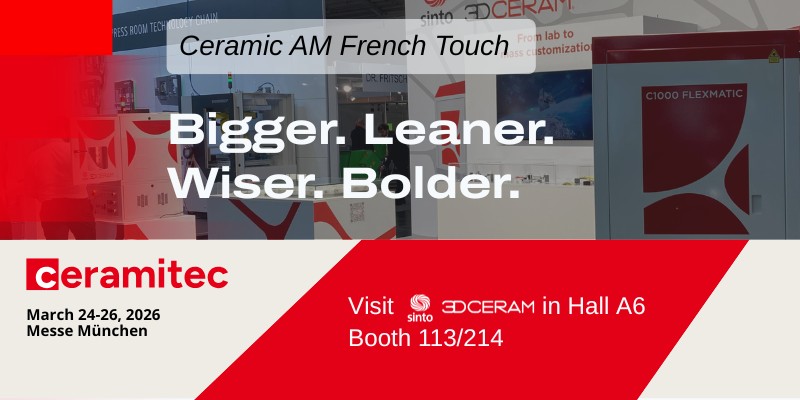
Join 3DCeram Sinto at Ceramitec Munich!

In just a few days, the 3DCeram Sinto team will head to Munich for the international trade fair for ceramics and, among others, technical ceramics: Ceramitec.

The opportunity for us to reveal our latest innovations. New materials, new proposals to facilitate and save on production costs on certain steps of the process.

Meet us from March 24 to 26, 2026, in Hall A6 – Stand 113/214 to discuss your projects and requirements. Our team will provide the insights you need to make the right choices and present our wide range of additive manufacturing options for technical ceramics.

Come and discover how 3DCeram Sinto supports you from prototyping to large-scale production in demanding markets such as aerospace, defense, medical, energy, and electronics.

At our booth, you will find:

One of the highlights of the show:

Richard Gaignon, CEO of the company, will be speaking at a round table dedicated to the industrialization of ceramic 3D printing. This panel, entitled "Scaling 3D Printed Technical Ceramics in Advanced Production," will bring together tech developers and industrial end-users to address real-world manufacturing challenges in what promises to be a rich and exciting debate.

Don’t miss the conferences featuring 3DCeram Sinto:

  1. Proposed and moderated by Ceramic Applications

"Production of small and medium series by additive manufacturing: automation and AI for better profitability"

Speaker: Eric Louradour (Business Developer)

Date: Tuesday, March 24, from 11:30 am to 11:50 am

Location: Hall A6 – A6.542

  1. Next-gen Ceramics: Powering the Future of Aeronautics Defence & Space – Proposed by the Pôle Européen de la Céramique

"Industrializing ceramics: how nitrides and automation redefine additive manufacturing"

Speaker: Maxence Bourjol (Sales Director)

Date: Tuesday, March 24, from 2:30 pm to 3:30 pm

Location: Hall A6 – A6.542

How to attend?

Free invitations are available upon request at info@3dceram.com (limited quantities available).

Looking forward to seeing you there!

Automated Post-Processing for Ceramic 3D Printing | Auto Cerakleaner

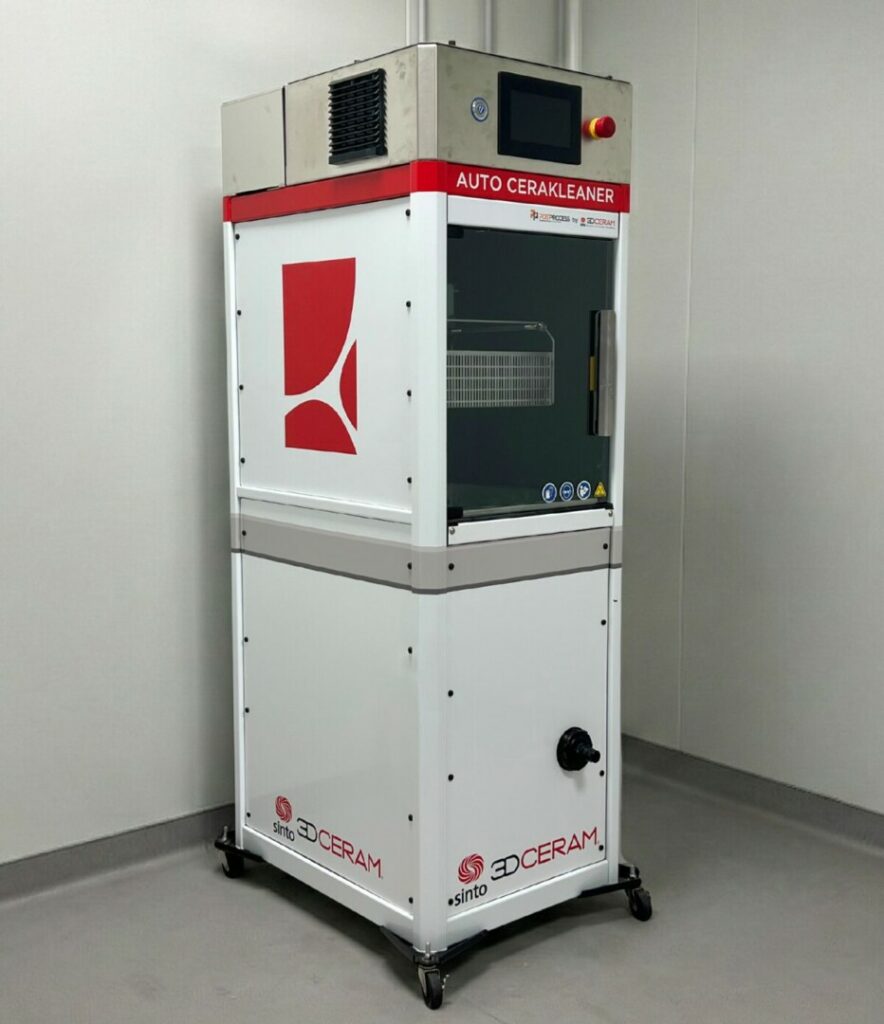
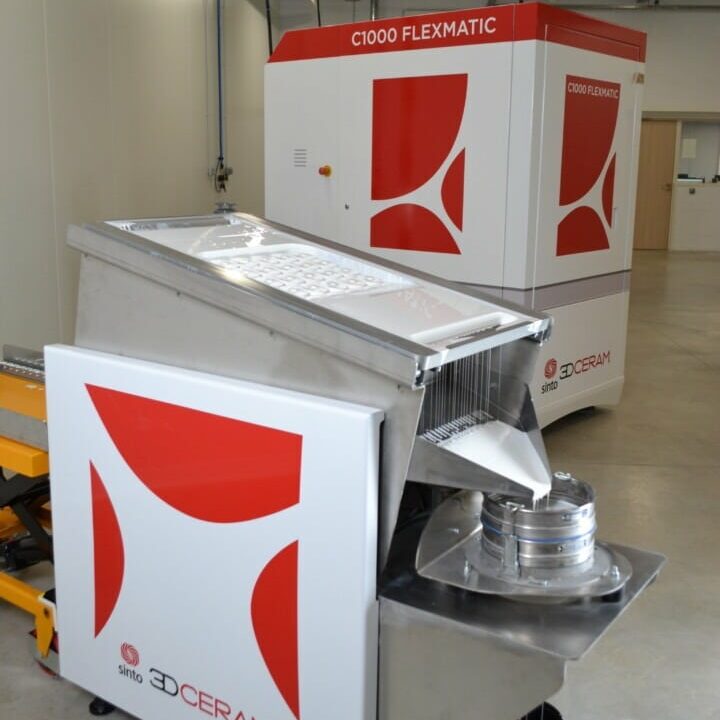
Here it is! The AUTO CERAKLEANER, our new automated cleaning machine dedicated to 3D printed ceramic parts. It is designed to optimize your production line and reduce your manufacturing costs per part.

Why choose the AUTO CERAKLEANER?

The AUTO CERAKLEANER is not just a cleaning machine; it is a performance driver for your workshop. It allows you to maximize your output while guaranteeing consistent quality.

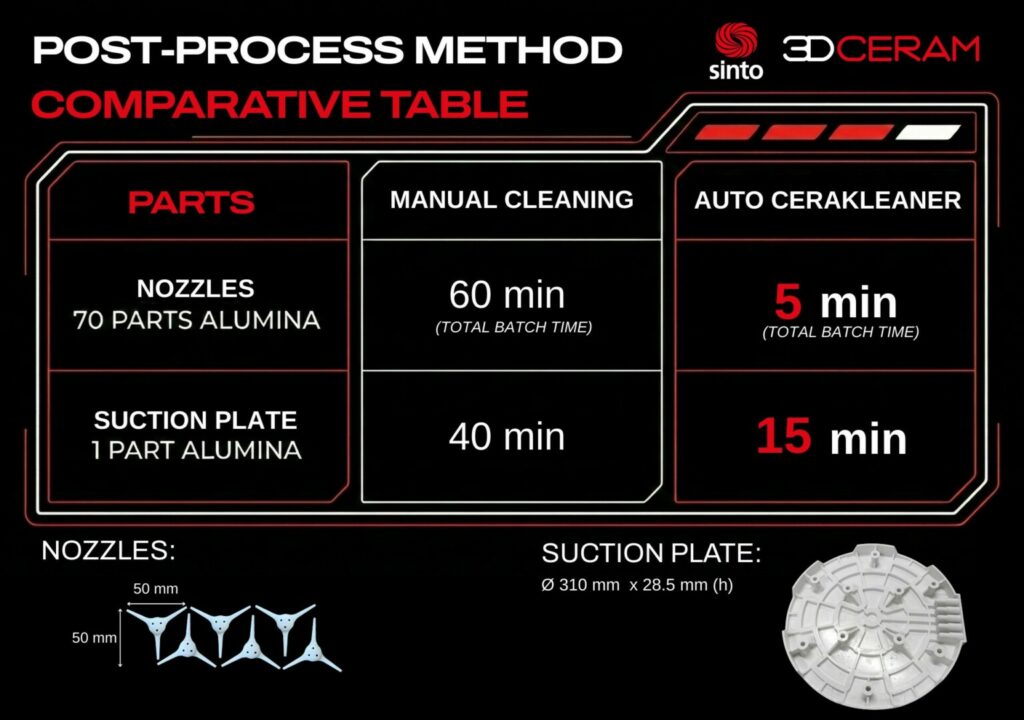
Save time: Clean your parts faster than with manual cleaning (see table below).

Reduce your operator time: A very short intervention is needed to get parts ready for firing.

Safety & HSE: Protect your talent by minimizing prolonged exposure to solvents.

Preserve your parts: Its cleaning system with low mechanical stress limits the risk of scrap and breakage.

Efficiency proven by numbers The comparison between manual cleaning and the AUTO CERAKLEANER is undeniable:

A commitment to sustainability (CSR)

In addition to drastically reducing your operational costs (OPEX), the AUTO CERAKLEANER aligns with your sustainable development goals. Our AUTO CERAKLEAN solvent allows for multiple cleaning cycles before it needs to be renewed.

Ready to automate your success?

Download the product flyer here!

Contact us to discover how the AUTO CERAKLEANER can optimise your production line.

Email: info@3dceram.com

Scaling medical innovation with ceramic 3D Printing

In the rapidly evolving medical technology sector, the ability to move from R&D to industrial-scale production is a decisive competitive advantage. We spoke with G. Surgiwear Ltd., a leading company in the Indian medical and surgical field, about their journey with 3DCeram and the adoption of ceramic 3D printing.

Q: Could you tell us more about your company and your activities in the medical field?

A: We specialize in developing and manufacturing advanced solutions for the medical and surgical sector, including cranial implants, intervertebral cages, and a variety of bone substitutes. Our mission is to bring high-quality, biocompatible implants to market, combining innovation with patient safety.

Q: What led you to consider ceramic 3D printing?

A: For us, ceramic additive manufacturing is a strategic technology. It allows us to design complex geometries. We also see it as a bridge between research and full-scale production, which is a key part of our long-term vision.

Q: Why did you choose 3DCeram?

A: The choice was quite natural. We were impressed by 3DCeram’s 20 years of experience in the medical field and their clinical trials in collaboration with the CHU of Limoges. That heritage is rare and reassured us that we were investing not only in equipment, but in a partner with a biomedical expertise.

Another deciding factor was their top-down stereolithography technology, which ensures the level of detail and surface quality required for our market. Additionally, the software environment of their printers gives us the flexibility to optimize our process for future developments.

Q: How has your experience been with the technology so far?

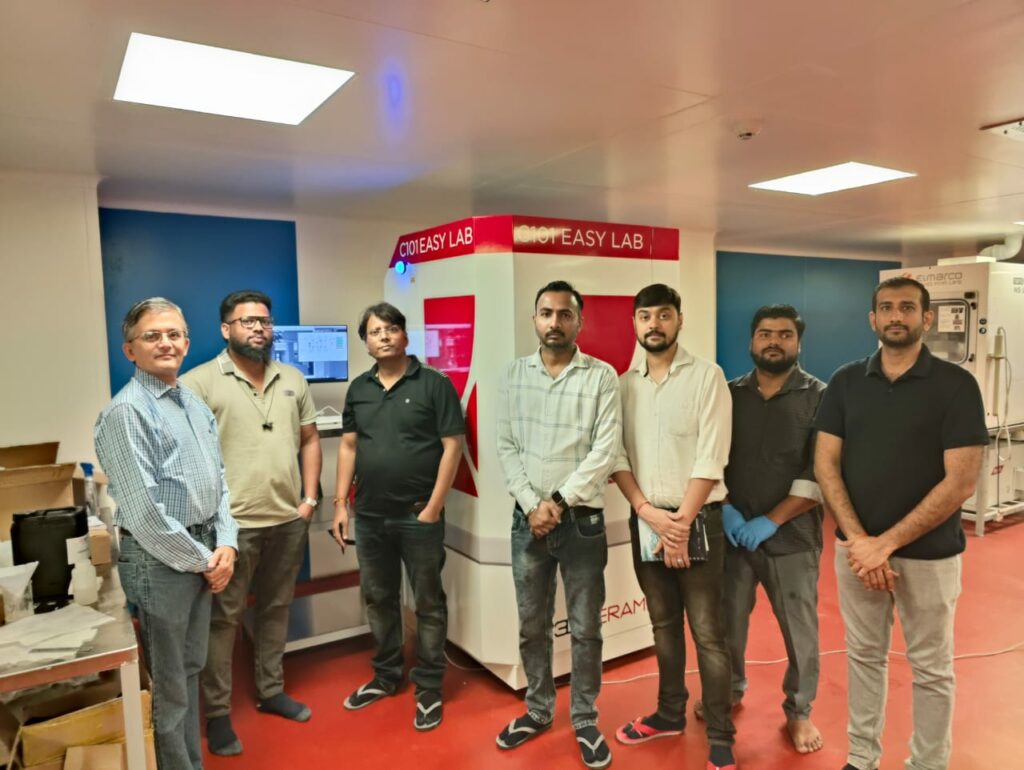
A: We are currently in the R&D phase, using our 101 EASY FAB printer to produce prototypes and validate designs. The machine has been reliable, easy to use, and delivers excellent print quality. We also appreciate the technical support provided at the very beginning by SRT and 3DCeram, which has made the adoption smooth.

Q: What applications are you currently focusing on?

A: Our focus is primarily on custom medical implants, including cranial plates, spinal cages, and other orthopedic devices. We follow standard post-processing protocols — cleaning, debinding, sintering — and the quality control procedures to ensure the parts meet our medical-grade standards.

Q: What are your long-term objectives with ceramic 3D printing?

A: Our vision is to scale up from R&D to industrial production. We see 3DCeram’s technology as a key enabler for achieving that. With their expertise, the top-down technology, and proven results in the medical sector, we feel well-positioned to develop innovative solutions that will make a real difference for patients and surgeons on the Indian market.

Q: Any advice for other companies considering this technology?

A: Choose a partner who understands your industry. In our case, 3DCeram’s biomedical expertise and their ability to deliver both the tools and the know-how have been crucial. This is not just about printing parts — it’s about building a foundation for the future of medical manufacturing.

3DCeram Sinto at Formnext: Industrial Ceramic 3D Printing Serving Industry

From November 18 to 21 in Frankfurt (Hall 11.1 – Stand C68), 3DCeram Sinto reaffirms its mission: to provide manufacturers with a relevant and industrial-grade ceramic 3D printing offer, designed to meet the requirements of serial production.
With more than 20 years of expertise in ceramic additive manufacturing, 3DCeram Sinto delivers solutions tailored to real industrial needs, from R&D to full-scale production. The focus: precision, reliability, and cost efficiency.

Our range of printers has been designed to evolve with your requirements:

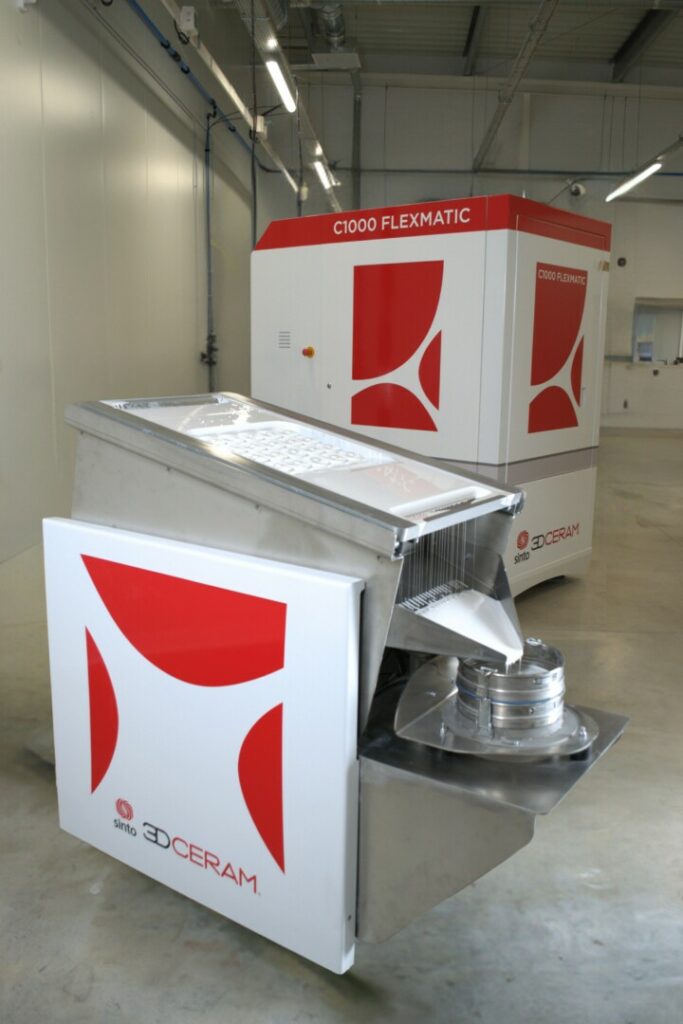
C1000 FLEXMATIC: a semi-automated printer designed for the serial production of ceramic parts – featuring a 320 × 320 × 200 mm build platform, a removable tank for recycling unused material, immediately reintegrated into the production cycle.

C3601 ULTIMATE: a large-format ceramic 3D printer — the largest build platform on the market, ideal for producing massive parts in a single piece, with high density and outstanding detail resolution.

3DCeram has developed a complete printer portfolio ensuring the most suitable solution for each use case, whether for small series, large-format components, or R&D phases with the C101 LAB.

3DCeram’s proprietary AI, CERIA, goes far beyond a simple assistant:

CERIA Set checks files, prepares the build platform, and generates optimized printing parameters.

On a system like the C3601 ULTIMATE, CERIA Set enables the printing of large parts in a single run, with a high success rate — increasing productivity while lowering costs.

With CERIA, 3DCeram Sinto places artificial intelligence at the core of industrializing ceramic 3D printing.

It streamlines workflows, reduces iterations, and secures processes — a key lever for manufacturers targeting reliable and scalable integration.

CERIA the AI for AM ceramics

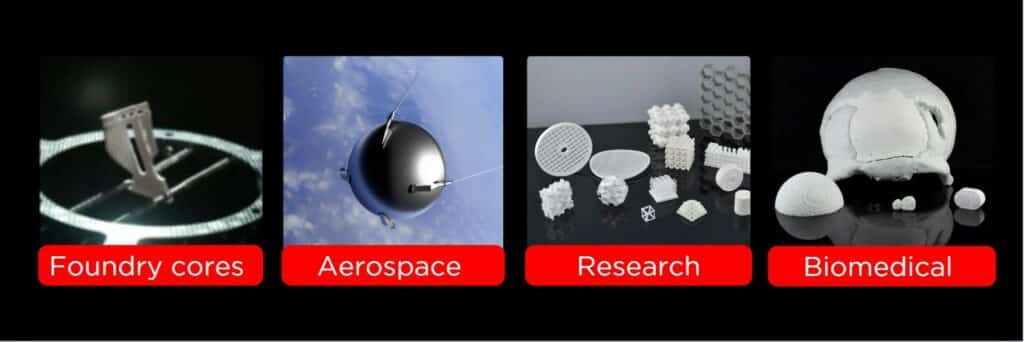
We also provide a broad portfolio of technical ceramics oxides (alumina, zirconia, etc.) and non-oxides (aluminum nitride, silicon nitride) — all engineered to ensure consistent, precise printing on our machines. This versatility allows us to meet the requirements of industries such as aerospace, energy, biomedical, and defense, where specific mechanical, thermal, or biocompatible properties are critical.

3DCeram offers a continuum of solutions:

All supported by training, maintenance, R&D services, and integrated software such as CPS 2.0, Build-It, and CERIA.

And also :

At Formnext, we will showcase proven, tangible solutions that transform ceramic 3D printing into a reliable, competitive, and scalable production tool.

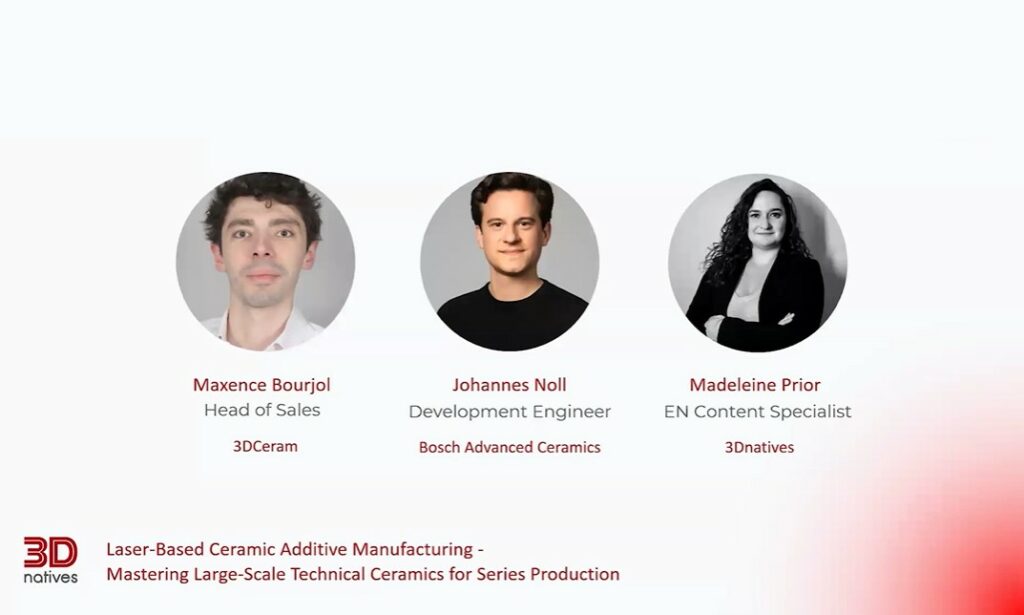
Mastering Large-Scale Technical Ceramics – Key Insights from the 3DCeram x Bosch Webinar

In a groundbreaking webinar hosted by 3Dnatives, Maxence Bourjol, Head of Sales at 3DCeram, and Johannes Noll, Development Engineer at Bosch Advanced Ceramics, explored the revolutionary capabilities of laser-based ceramic additive manufacturing for producing large-scale, high-performance ceramics in series production.

This insightful session highlighted how this cutting-edge technology is transforming industries such as aerospace, semiconductor, and beyond, and its potential to redefine high-precision ceramic manufacturing.

Pushing the Boundaries of Large-Scale Ceramic Production

Laser-based additive manufacturing is fundamentally changing the way high-precision ceramic parts are produced. This technology allows manufacturers to achieve unparalleled flexibility in design and scalability while maintaining the unique material properties of ceramics, such as high temperature resistance, hardness, and corrosion resistance.

Maxence Bourjol and Johannes Noll shared real-world applications demonstrating how laser-based printing is enabling industries to meet the growing demand for complex, high-performance ceramic components essential in high-stress environments.

Key Technological Requirements for Success

The webinar focused on the critical technological requirements for success in laser-based ceramic additive manufacturing. Experts from 3DCeram and Bosch emphasized the importance of precise control over laser parameters, material formulations, and post-processing techniques to achieve high-quality ceramics that meet rigorous industry standards.

For industries like aerospace, where components must withstand extreme conditions, this technology opens the door to producing lightweight yet durable ceramic parts that would otherwise be challenging to create using traditional methods.

Laser-Based Technology in Aerospace and Semiconductor Applications

A key highlight of the webinar was the application of laser-based ceramic printing in aerospace and semiconductor industries. In aerospace, the ability to produce lightweight and thermally resistant ceramic components using 3D printing is transforming the design and production of critical parts such as turbine blades and nozzles.

Similarly, in the semiconductor industry, laser-based ceramics offer enhanced precision and reliability, key factors for the performance of next-generation technology.

How 3DCeram is Driving Innovation in Laser-Based Ceramic Printing

At the forefront of these innovations is 3DCeram’s advanced SLA (Stereolithography) technology, which allows for precise layer-by-layer fabrication of complex ceramic structures.

By integrating laser printing capabilities with optimized material formulations and advanced process control, 3DCeram is helping industries push the limits of ceramic component production.

Don’t Miss Out – Watch the Full Webinar for In-Depth Insights!

If you missed the live session or want to revisit the valuable insights shared, the full webinar is now available for on-demand viewing. It’s your chance to dive deep into the future of laser-based ceramic 3D printing and how it’s set to revolutionize industries that rely on high-performance ceramics.

🚀 Whether you’re in aerospace, semiconductor, or another industry that relies on cutting-edge materials, this webinar is a must-watch. Get inspired and discover how you can be part of the next wave of industrial innovation!

🔗 Click here to watch the full webinar

Opening the Biomedical 3D Printing, a webinar gives key insights from the YCN

3D Printing is pushing the boundaries of the biomedical field, and the latest Young Ceramists Network (YCN) webinar provided an in-depth look at the cutting-edge advancements in 3D-printed implants. Charlie Clark, an expert from 3DCeram, shared valuable insights into the transformative potential of ceramic additive manufacturing for medical applications

🔗 Watch the full webinar here: YCN #19 - 3D Printing in Biomedical applications 

Pioneering 3D-Printed skull implants 

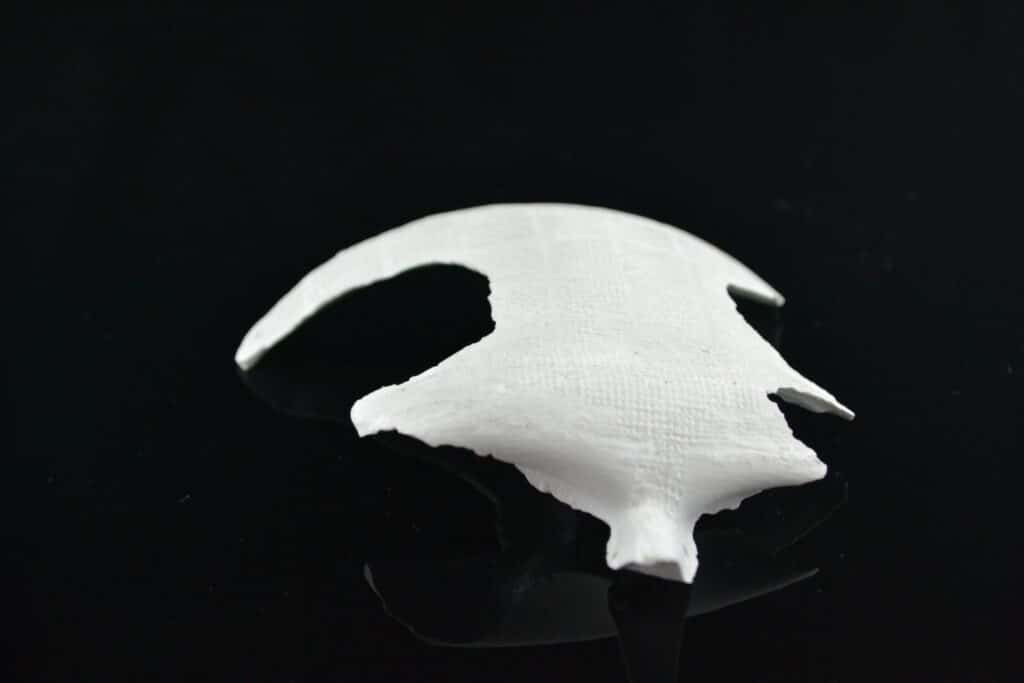
Since 2005, 3DCeram has been at the forefront of 3D-printed medical implants, with more than 15 custom skull implants successfully completed for patients at the CHU de Limoges. This webinar explored the advantages of 3D printing in cranial reconstruction, highlighting the ability to create implants with varying densities to optimize mechanical strength, osteointegration, and surgical fixation. Real-world cases demonstrated how these customized implants seamlessly integrate with bone structure, improving patient outcomes

Advancements in Zirconia-Based ceramics 

The session also covered groundbreaking research conducted in collaboration with INSA Lyon on cerium-stabilized zirconia. This innovative ceramic material significantly improves the longevity of biomedical implants by addressing aging-related degradation, which has been a major challenge in traditional zirconia implants. The research aims to enhance the mechanical properties and durability of implants, potentially eliminating the need for revision surgeries

Click down below to watch an interview about our collaboration with the surgeon we worked with to use the first skull implants on real life cases :

A new era for spinal cages 

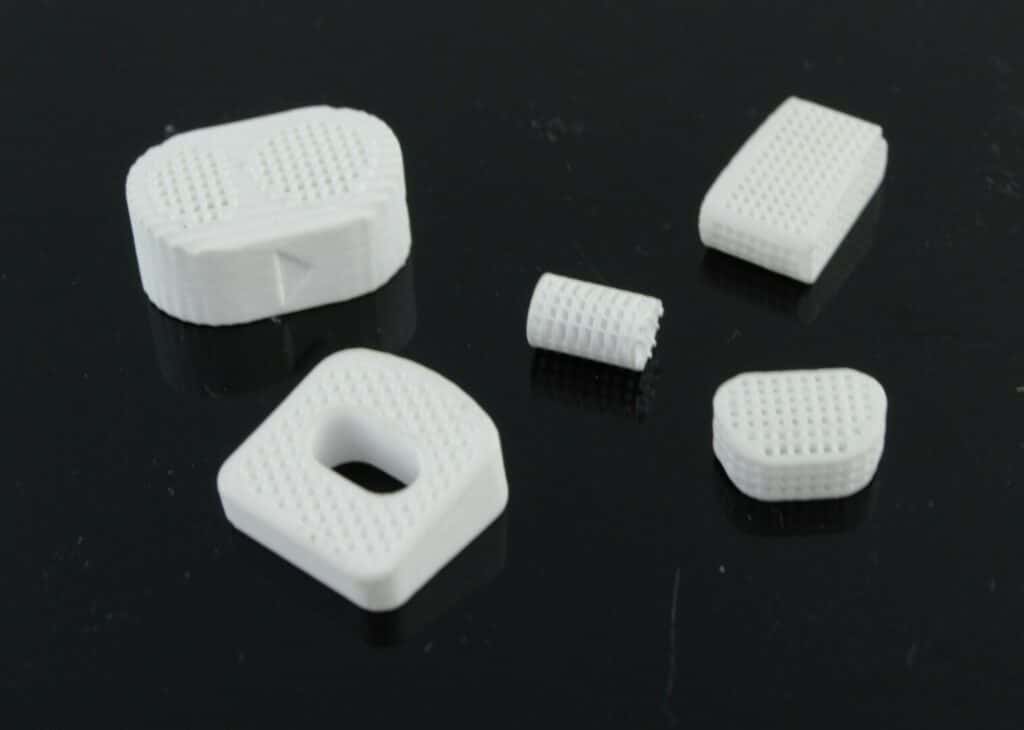
Another key highlight was the collaboration between 3DCeram and a customer in Australia to develop next-generation spinal cages using a novel strontium-based ceramic material. Traditionally, spinal cages require bone grafting, leading to additional surgical procedures. This new material not only enhances bioactivity and bone fusion but also has the potential to eliminate the need for autografts, simplifying spinal surgery and improving patient recovery. 

The power of SLA technology in medical innovation 

Charlie Clark also detailed the unique benefits of SLA (Stereolithography) technology used by 3DCeram. This top-down approach enables precise layer-by-layer fabrication, allowing the production of intricate lattice structures that enhance biocompatibility and mechanical performance. The combination of advanced formulations, optimized printing parameters, and post-processing techniques ensures that ceramic implants meet the highest industry standards, with examples that speak for themselves. 

Watch the webinar for more insights 

For those interested in learning more about these groundbreaking innovations in biomedical 3D printing, the full webinar is available on our YouTube channel. Discover how ceramic additive manufacturing is pushing the boundaries of medical technology and shaping the future of personalized healthcare. 

Ceramic Top-Down Stereolithography: the best for large-scale 3D Printing?

In the world of industrial ceramic additive manufacturing, where both size and precision are critical, top-down stereolithography (SLA) emerges as a standout solution. With its ability to produce large, dense, and complex components with unmatched accuracy, this technology is reshaping how industries approach 3D printing. Its scalability and compatibility with cost-effective automation make it the ideal choice for businesses driving innovation. 

Printing large surfaces with complex geometries 

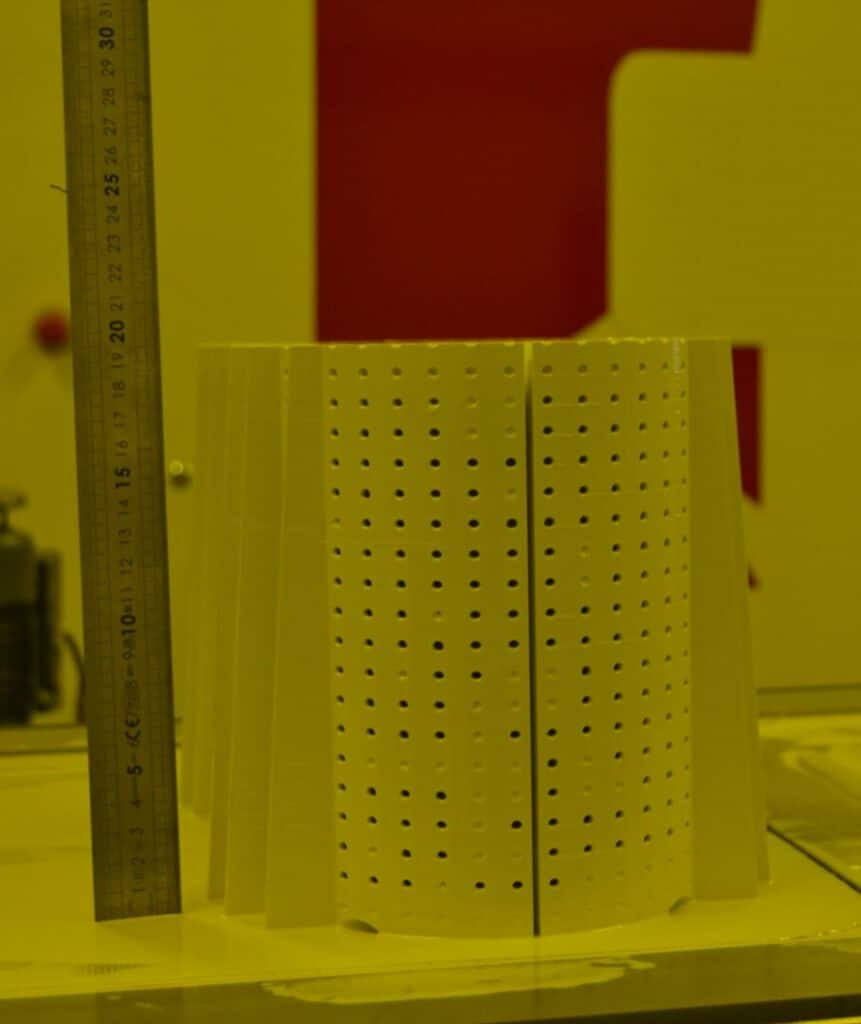
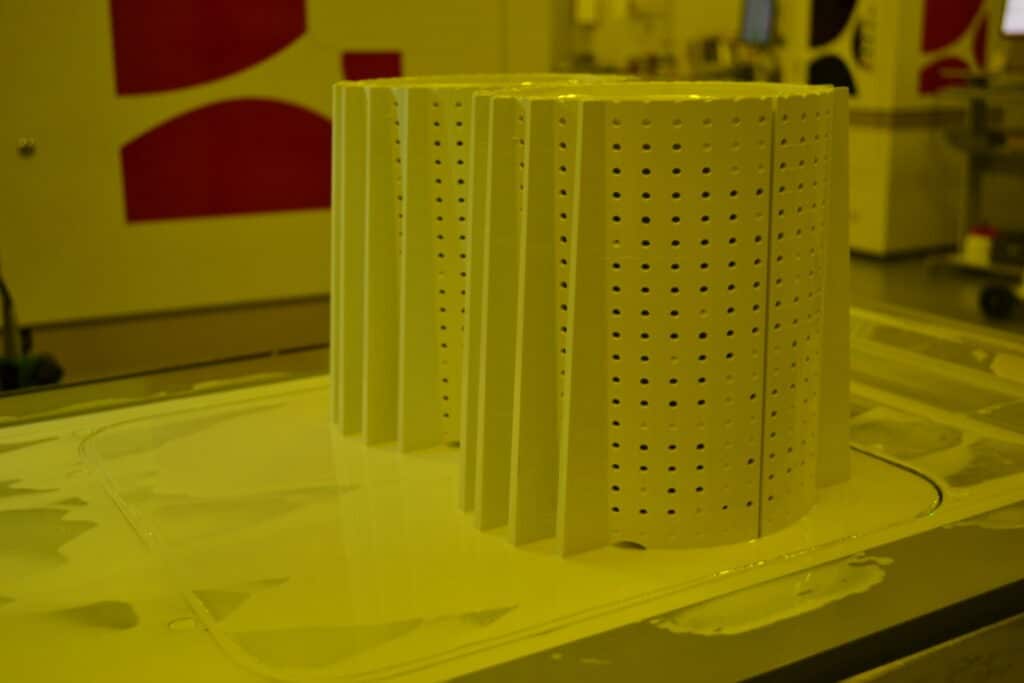
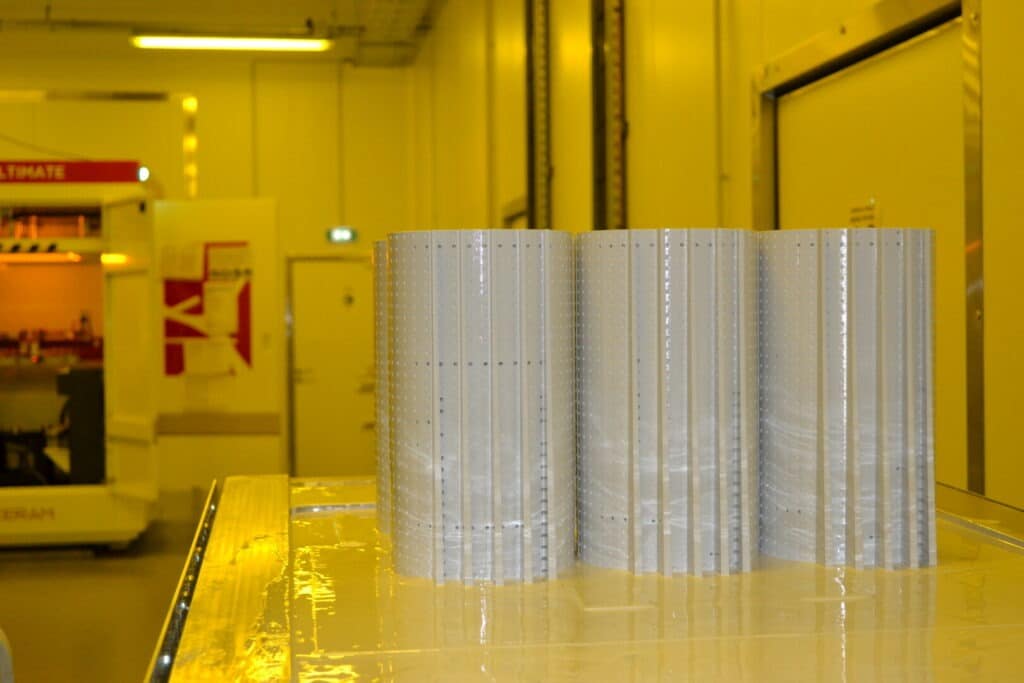
6 Big parts Ø 190 mm 290 mm high printed on C3601 ULTIMATE

One of the defining strengths of top-down SLA is its ability to handle large surface areas, making it suitable for both small and large ceramic components. Thanks to its laser placement above the printing platform, it ensures consistent precision across vast surfaces, enabling the production of intricate and detailed geometries. 

This capability opens the door to designs that were previously unachievable with traditional methods or other 3D printing technologies. Whether you’re working on high-performance parts for aerospace or delicate components for the medical sector, top-down SLA delivers exceptional results

Faster printing with multi-laser systems 

In industries where speed and efficiency are non-negotiable, top-down SLA rises to the challenge. By integrating multi-laser configurations—2, 4, or even more lasers—into its optical system, this technology significantly reduces printing times while maintaining the best of accuracy. 

This multi-laser approach allows manufacturers to meet tight deadlines without compromising on the quality or complexity of the printed parts, making it a game-changer for high-volume production of all kind of parts, lots of small ones or big ones. 

Gravity-driven reliability for dense and heavy parts 

Unlike bottom-up technologies like DLP, which often rely on extensive support structures, top-down SLA leverages gravity to simplify the printing process. This minimizes the need for supports, reducing post-processing efforts and improving overall efficiency. 

Additionally, gravity allows for the production of dense and heavy parts without the risk of cracking or deformation during printing. This makes it ideal for manufacturing robust components for demanding applications. 

Streamlined automation for industrial production 

Automation is key to scaling industrial manufacturing, and the top-down SLA configuration is designed with this in mind. With robotic systems capable of handling vats and build platforms, manufacturers can easily streamline their workflows, cutting costs and boosting efficiency. 

This compatibility with automation enables businesses to achieve consistent, repeatable results at an industrial scale, transforming 3D printing into a reliable production tool rather than just a prototyping method.


Broad range of materials for versatile applications 

Another compelling advantage of top-down SLA is its compatibility with diverse slurries. These materials offer a wide range of mechanical, thermal, and aesthetic properties, making the technology adaptable to various industries, from aerospace and semiconductor manufacturing to medical applications. 

Whether you need materials that withstand extreme temperatures, provide biocompatibility, or offer exceptional surface finishes, top-down SLA has the flexibility to meet your requirements. 

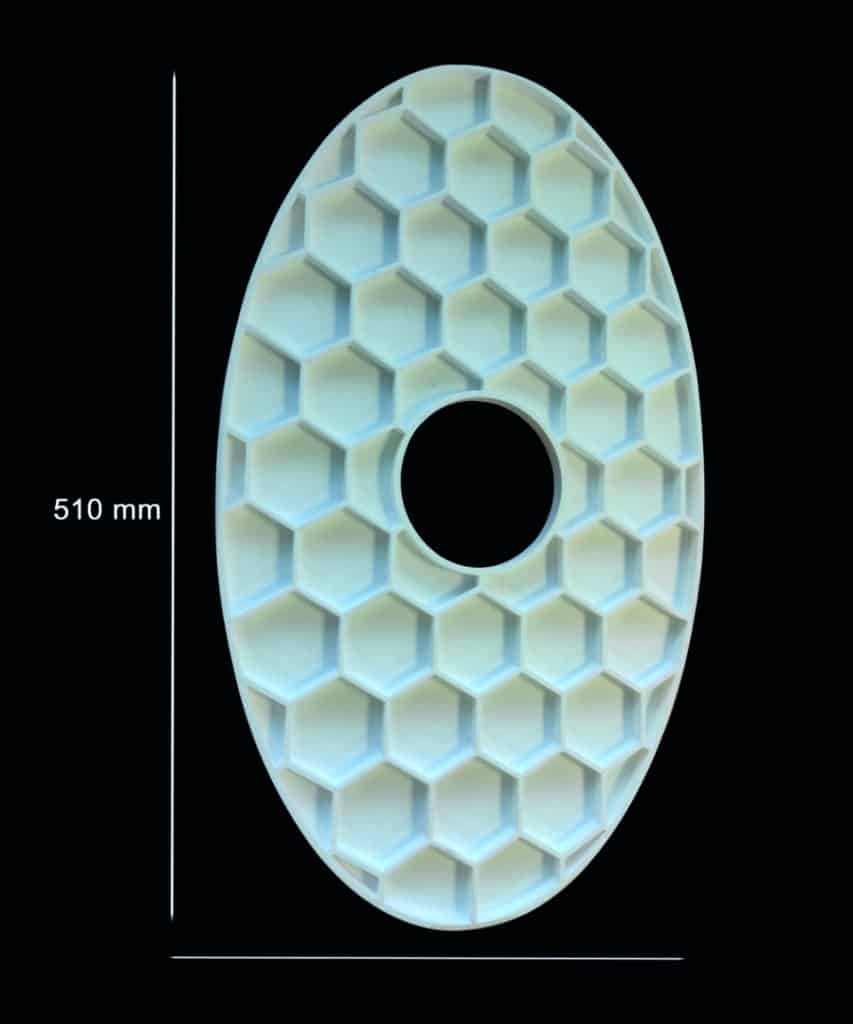
Mirror for aerospace

Top-down SLA isn’t just a 3D printing technology; it’s a transformative tool for modern industrial manufacturing. Its ability to combine precision, scalability, and automation with a diverse material range makes it the ultimate solution for industries looking to innovate and grow. 

Are you ready to explore how top-down SLA can revolutionize your production processes? Contact us today to learn more or schedule a demonstration. 

CERIA, the Artificial Intelligence: a new Era in 3D Ceramic Printing

The landscape of 3D printing evolves, with technology constantly being pushed to new frontiers. The most exciting developments in this space is definitely the Artificial Intelligence. At the forefront, CERIA, the artificial intelligence (AI) developed by 3DCeram, to optimize the ceramic 3D printing to reach the industrial scale! As industries like aerospace, medical devices, and automotive continue to rely on the precision and versatility of 3D printing, CERIA is offering a smarter, and more efficient approach to design and production.

AI-Driven Innovation in 3D Printing


The core innovation behind CERIA is its ability to leverage AI to improve the ceramic 3D printing process. Traditional 3D printing often involves some manual adjustments and trial or iterations to get designs and printing parameters just right. With CERIA, the AI automatically analyzes and optimizes designs, streamlining productions, and reducing the production costly.

This is particularly useful in industries where precision is paramount. For instance, aerospace components must adhere to strict standards for weight and strength, while medical devices need to be produced with an extraordinary level of detail. By utilizing CERIA, the AI, helps manufacturers meet these demands with far greater efficiency than traditional methods.


Real-Time Monitoring: Precision in Action


One of CERIA’s standout features is its real-time monitoring capabilities. As a 3D print progresses, CERIA tracks and analyzes the 3 printed layers, adjusting parameters in real time to maintain the highest level of quality on the next 5 layers to come. This feature helps manufacturers catch any potential issues early in the process, before they happen and then will waste time and materials.

By ensuring that each layer is printed with the utmost accuracy, CERIA adapts the right material quantity needed and contributes to a more sustainable production process. This feature is particularly important for industries that use expensive, specialized materials for their products, such as ceramics used in aerospace or medical applications.


Seamless Integration with Existing Tools


For companies already invested in 3DCeram’s tools, CERIA integrates smoothly with the other softwares like Build-It and CPS 2.0, creating a comprehensive workflow that extends from design to production. This integration simplifies the process.


Applications Across Industries


CERIA's versatility makes it a valuable tool for various industries. In the aerospace sector, for example, CERIA helps streamline the production of lightweight, high-performance parts. Its ability to optimize material usage and ensure precision in design is crucial for creating components that meet the rigorous demands of aviation and space technology.

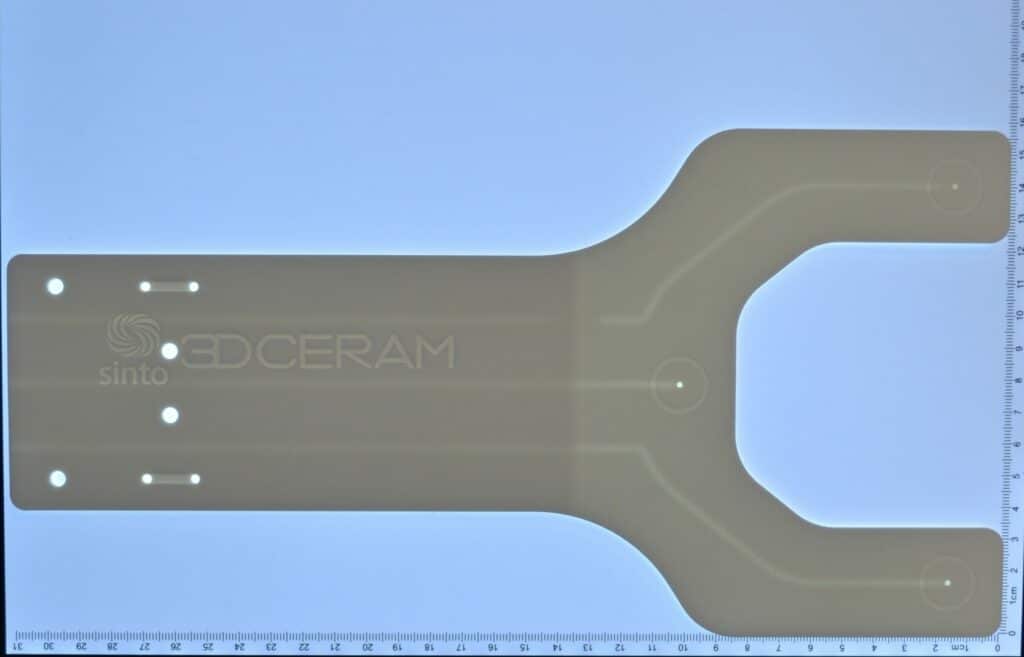
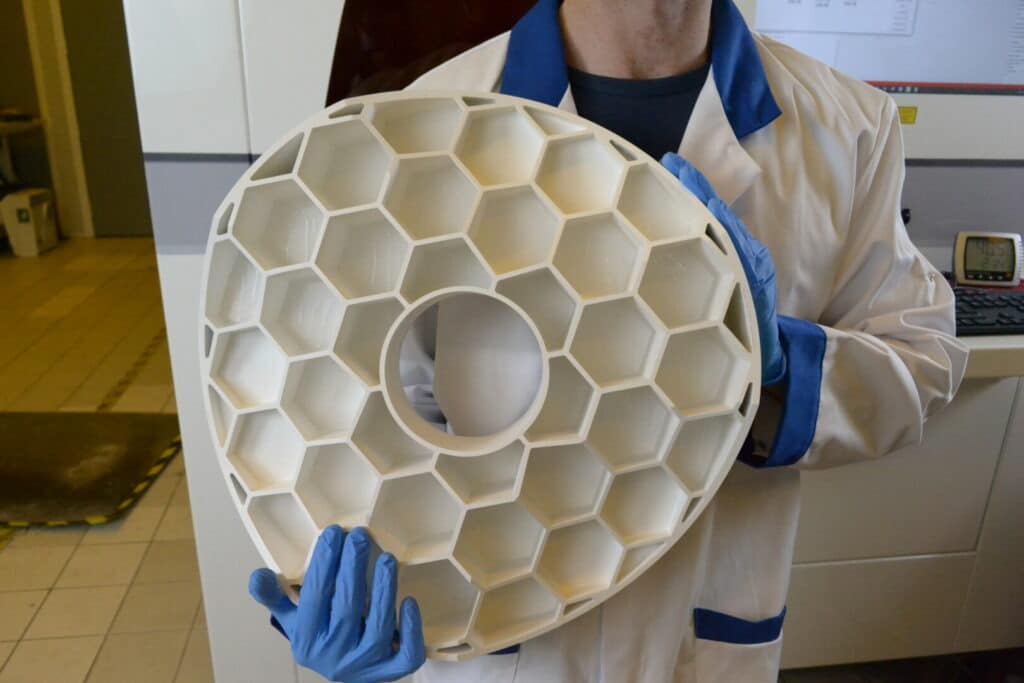
For the semiconductor industry, which is a strategic application, CERIA optimizes the success and production costs of large components such as suction plates with internal channels,and end effectors that require extreme precision.

The medical industry benefits from CERIA’s capability to print highly detailed, customized implants and surgical tools. With the help of AI-driven optimizations, manufacturers can produce parts with the exact specifications needed for patient-specific solutions, all while ensuring the necessary levels of safety and reliability.

Automotive manufacturers also stand to gain from CERIA’s ability to improve production efficiency and reduce costs. By minimizing material use and enhancing print speed and quality, CERIA enables companies to produce parts that meet performance requirements at the right rate of costs.


The Future of Ceramic 3D Printing


As the capabilities of AI and 3D printing continue to evolve, CERIA is positioned to play a pivotal role in the future of ceramic manufacturing. By combining the precision of 3D printing with the AI, CERIA offers manufacturers a more efficient, cost-effective way to produce high-quality ceramic parts. CERIA not only improves the design process but also accelerates production, making it an essential tool for industries that require both speed and precision.

In an increasingly competitive market, CERIA’s ability to reduce material use, improve production speed, and maintain high-quality standards makes it a key game changer for the future of 3D printing. As more industries look to adopt 3D printing for complex applications, CERIA is setting the stage for a new era of smarter, more sustainable manufacturing.


Interactive Game Experience at Formnext


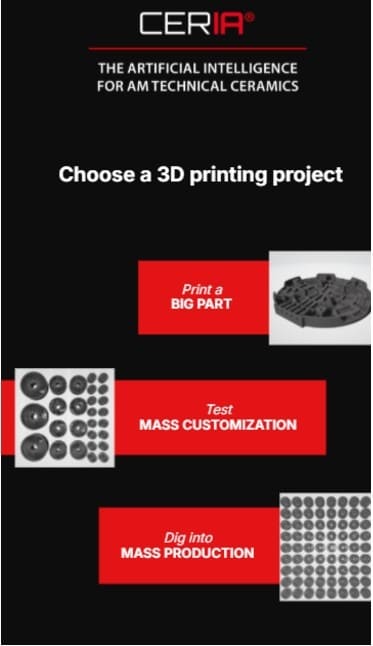
To help users fully grasp the potential of Ceria, we launched an interactive quizz game at Formnext 2024, allowing attendees to experience firsthand how the IA can optimize their 3D printing projects. The game demonstrates CERIA's capabilities by showcasing several distinct scenarios: printing a series of small parts and printing a large part in one single run.

This hands-on approach allowed participants to see how CERIA's AI can dynamically adjust parameters and optimize production, whether it’s managing the complexities of small parts or handling the challenges of larger parts in a single print. The game provided a fun and interactive way for visitors to explore how the software could benefit their own work, regardless of the size or scale of their projects.

Now, for those who weren’t able to attend Formnext, we’re excited to offer this interactive experience online. You can explore CERIA and understand how it can optimize your own projects, whether you’re working with small, detailed parts or large, complex components. Try it yourself and see how Ceria can elevate your 3D printing process.

Now, you can try it for yourself and explore the power of Ceria to streamline your 3D printing processes!


We hope this article has been helpful and provided you with valuable information. If you have any questions, want to discuss your project, or need personalized advice, don’t hesitate to get in touch. Click the button below to schedule a call with one of our experts.
How to 3D Print ceramics at an industrial scale ? Find out at Formnext 2024


3DCeram continues to innovate, making its proposals for ceramic 3D printing ever more industrialized. In addition to the semi-automated process already offered by the C1000 FLEXMATIC, we are going one step further by incorporating Artificial Intelligence, enabling users to acquire the expertise they need for successful production in a minimum of time, and with productivity in line with industrial requirements.


Ceria, 3DCeram's artificial intelligence, enables the printing of large, single-piece parts on the C3601 ULTIMATE, which features the largest printing plate on the market and delivers high success rates. This AI aims to expand the possibilities of 3D printing, boosting productivity while lowering production costs.

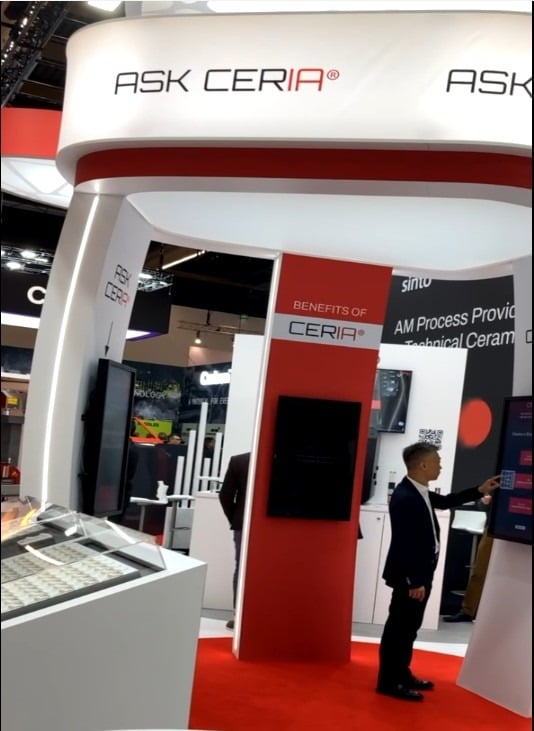
Join us at Formnext from November 19 to 22, 2024, in Hall 11.1, Booth 21, for an exclusive opportunity to experience CERIA like never before. We won’t spoil the surprise—come see for yourself!

We look forward to seeing you there!

CERIA the AI for AM ceramics

Need a free pass? Feel free to get in touch with us

GFC Day 2024: Léopold Eyharts

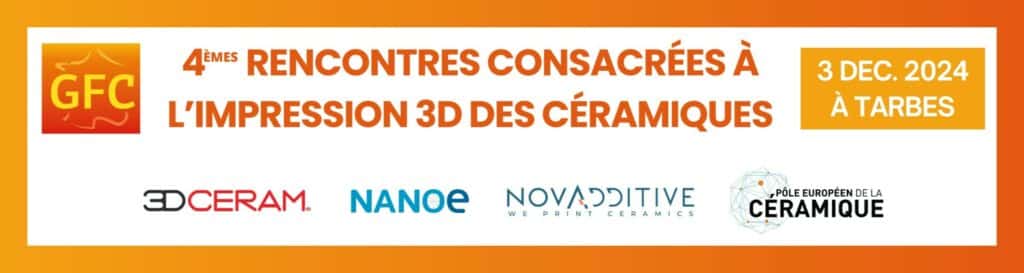
A must-attend event for innovation enthusiasts: Technical Ceramics 3D Printing Day returns to Tarbes on December 3, 2024, under the captivating theme of space!

Don't miss this day, part of the Fête Nationale de l'Impression 3D, and discover how cutting-edge technologies are transforming the most demanding sectors, such as aerospace!

Program highlights :

Meet Léopold Eyharts, a renowned player in the aerospace industry. An officer in the French Air Force, former test pilot and astronaut for CNES and ESA, he will take you on a journey through his incredible experiences during the presentation “Pegasus, Columbus: two missions, two eras”. He will share his knowledge of technological developments and answer all your questions in an exclusive discussion session.

Why assist?


3D printing of technical ceramics opens up vast opportunities for applications such as aerospace, thanks to their exceptional resistance to extreme temperatures, effective electrical insulation, and unique robustness against corrosion. Come meet industry experts, exchange innovative ideas, and explore how this technology is redefining standards in the aerospace industry.

Join us on December 3 in Tarbes for an immersion in the future of 3D printing!

Places are limited, so don't miss this opportunity to talk to pioneers and discover impressive technological advances. Reserve your place now and get ready to travel between ceramics and space!

Practical information


We hope this article has been helpful and provided you with valuable information. If you have any questions, want to discuss your project, or need personalized advice, don’t hesitate to get in touch. Click the button below to schedule a call with one of our experts.